

Rwanda and Uganda sit side by side in the heart of East Africa, and together they make one of the most varied nature destinations on the continent. Misty volcanoes, ancient rainforests, savannah plains, crater lakes, rivers and snow-capped mountains all sit within a few hours of each other. This is the land of mountain gorillas and chimpanzees, but it also offers tree-climbing lions, boat safaris, whitewater rafting and some of Africa’s best birdwatching.
This guide covers the main nature adventures in Rwanda and Uganda, how to combine them, what to budget and how to plan a trip that balances wildlife, scenery and comfort.
Why Combine Rwanda and Uganda?
Complementary strengths. Rwanda is compact, polished and easy to navigate. Uganda is larger, wilder and more varied. Together they cover primates, savannah wildlife, mountains and water-based adventures in a single journey.
Shared geography. The Virunga volcanoes straddle both countries, and the same mountain gorilla population lives across the borders. Travellers can compare how each country manages tracking, lodging and conservation.
Flexible budgets. Rwanda leans premium, while Uganda offers a wider range of price points. Mixing the two lets you spend where it matters most.
Practical routing. Land borders such as Katuna and Cyanika link the two countries, and Kigali and Entebbe are both well-connected international gateways, which makes open-jaw itineraries (arrive in one, depart from the other) straightforward.
Primate Adventures: The Headline Experiences
Mountain Gorilla Trekking
Gorilla trekking is the flagship nature adventure in both countries. In Rwanda it takes place in Volcanoes National Park, while in Uganda it is offered in Bwindi Impenetrable National Park and Mgahinga Gorilla National Park. Standard permits allow one hour with a habituated family, in groups of up to eight visitors.
Permit prices differ significantly. A Rwanda permit costs USD 1,500, set by the Rwanda Development Board, while Uganda’s standard permit is USD 800, or USD 600 in low season. Uganda also offers a longer habituation experience, from USD 1,500 for four hours with the gorillas. Many travellers do one trek in each country to compare terrain and atmosphere.
Chimpanzee Tracking
Chimpanzees are another highlight. In Uganda, Kibale National Park is renowned for primate density and chimpanzee tracking, and Budongo Forest in the north also offers sightings. In Rwanda, Nyungwe Forest National Park offers chimpanzee tracking alongside colobus monkey troops and a canopy walkway. Uganda also offers chimpanzee habituation experiences, and one source notes that the chimpanzee habituation permit rose from $250 to $300 for 2024 to 2026. Prices may change, so verify the current tariff.
Golden Monkeys and Other Primates
Golden monkey tracking is available in both Volcanoes National Park and Mgahinga Gorilla National Park. These playful, endangered monkeys live in bamboo forests and are easier to visit than gorillas. Uganda’s Kibale and Queen Elizabeth areas, and Rwanda’s Nyungwe, add colobus, blue monkeys, red-tailed monkeys and more.
Savannah Safaris
Akagera National Park, Rwanda
Akagera, in Rwanda’s east, protects savannah, papyrus swamps and lakes. Following the reintroduction of lions and black rhinos, the park now supports a strong mix of wildlife, including elephants, giraffes, zebras, buffalo, hippos and more than 400 bird species. Game drives and boat safaris on Lake Ihema make it an easy add-on from Kigali.
Queen Elizabeth National Park, Uganda
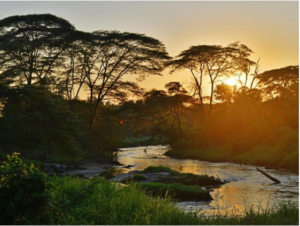
Queen Elizabeth is one of Uganda’s most popular parks, combining savannah, crater lakes and the Kazinga Channel. Boat cruises on the channel produce close encounters with hippos, buffalo, elephants and abundant birdlife. The Ishasha sector is famous for tree-climbing lions that rest in fig trees, although sightings are never guaranteed.
Murchison Falls National Park, Uganda
Uganda’s largest park is split by the Nile, which thunders through a narrow gorge before spilling out over Murchison Falls. Game drives reveal giraffes, lions, elephants and buffalo, and boat trips to the base of the falls are a highlight. It is a very different landscape from the highlands to the southwest.
Mountains, Lakes and Water Adventures
Hiking and Volcano Climbs
Both countries offer excellent hiking. In Rwanda, the Virunga volcanoes allow guided climbs, including Mount Bisoke with its crater lake, and the Dian Fossey hike. In Uganda, the Rwenzori Mountains, the legendary “Mountains of the Moon,” offer multi-day treks through glacial valleys and alpine moorland. The Mgahinga volcanoes also offer day hikes with rewarding views.
Lake Kivu and Lake Bunyonyi
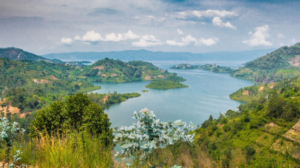
Lake Kivu on Rwanda’s western border supports kayaking, boat trips, cycling routes and lakeside relaxation, and it is a natural place to rest after trekking. In Uganda’s southwest, Lake Bunyonyi is a tranquil highland lake dotted with islands, ideal for canoe trips and gentle walks.
Whitewater Rafting and Water Sports
Jinja, in eastern Uganda, is the source of the Nile and the country’s adventure capital, offering whitewater rafting, kayaking, quad biking and bungee jumping. It adds an adrenaline element for travellers who want more than wildlife viewing.
Birdwatching and Forest Walks
Both countries are exceptional for birders. Nyungwe in Rwanda and Bwindi in Uganda protect Albertine Rift endemic species found nowhere else. Uganda lists over a thousand species overall, including the sought-after shoebill, which is often seen in the Mabamba Swamp near Entebbe. Even casual travellers benefit from guided forest walks, which reveal orchids, butterflies, chameleons and giant trees.
Cultural Encounters Alongside Nature
Nature in this region is closely tied to people. Community-led experiences enrich the trip and support conservation:
- Batwa cultural experience in Uganda’s Bwindi region, led by the forest’s original inhabitants.
- Intore dance performances and cultural villages near Rwanda’s Volcanoes National Park.
- Coffee and tea tours in the highlands of both countries.
- Village walks and craft visits around Lake Bunyonyi and Kigali.
Tourism revenue, including from permit sales, funds anti-poaching work, health and education projects and community livelihoods, so these experiences help sustain the wildlife you came to see.
Sample 10-Day Rwanda and Uganda Itinerary
Days 1–2: Kigali and Volcanoes National Park, Rwanda. Arrive, visit the city and transfer to the volcano region. Trek gorillas or golden monkeys.
Days 3–4: Lake Kivu or Nyungwe Forest. Relax by the lake or track chimpanzees and walk the canopy.
Days 5–6: Cross to Uganda, Bwindi or Lake Bunyonyi. Trek a second gorilla family or enjoy a quiet canoe day.
Days 7–8: Queen Elizabeth National Park. Game drives, a Kazinga Channel boat cruise and a chance to see tree-climbing lions.
Day 9: Kibale Forest. Chimpanzee tracking and forest walks.
Day 10: Return to Entebbe for departure.
The route can be extended to include Murchison Falls or Jinja, or shortened by focusing on one country.
Best Time to Visit
Both countries have two dry seasons, roughly June to September and December to February. These months offer the easiest trekking and clearest views, but they are also peak season. The wetter months of March to May and October to November bring lush landscapes, fewer visitors and, in Uganda, discounted gorilla permits in some low-season months, although trails can be muddy. Wildlife can be enjoyed year-round.
Planning, Packing and Responsible Travel
- Book early. Gorilla permits and top lodges sell out months ahead for peak dates.
- Verify prices. Rules and prices can change between tariff periods, so check the tariff that applies to your trekking date.
- Prepare physically. Many activities involve steep, humid terrain at altitude, so build stamina beforehand.
- Pack well. Bring broken-in boots, long trousers and sleeves, a waterproof jacket, gloves, insect repellent, a hat, binoculars and a camera. Layers help with cool mornings.
- Health and insurance. See a travel clinic for vaccinations and malaria advice, and carry insurance that includes medical evacuation.
- Respect wildlife rules. Keep your distance, avoid flash, stay home if ill and follow your guide’s instructions. The minimum age for gorilla trekking is generally 15.
- Travel responsibly. Carry reusable bottles, respect local customs and favour operators who support communities and conservation.
Conclusion
Rwanda and Uganda offer a rare combination of intimate primate encounters, classic savannah safaris, dramatic mountains and tranquil lakes within a compact region. Rwanda adds polish, ease and a premium conservation model, while Uganda adds breadth, value and rugged variety. Combined, they allow travellers to build trips ranging from a focused gorilla break to a multi-week nature expedition. Plan around the dry seasons if possible, book permits and lodges early, prepare for physical activity and choose an operator who prioritises conservation and community benefit. The result is a journey that delivers adventure, beauty and a lasting connection to some of Africa’s most remarkable wildlife.
Key Takeaways
- Rwanda and Uganda together offer gorillas, chimpanzees, golden monkeys, savannah wildlife, volcanoes, lakes and rafting in one region.
- Gorilla permits cost about $1,500 in Rwanda and $800 in Uganda (with $600 in low-season months). Always verify current tariffs.
- Rwanda is compact and polished, while Uganda is larger, more varied and often better value.
- Key parks include Volcanoes, Nyungwe and Akagera in Rwanda, and Bwindi, Kibale, Queen Elizabeth and Murchison Falls in Uganda.
- June to September and December to February are the main dry seasons, with wetter months offering quieter parks and some savings.
- Book early, build fitness, pack for mud and rain, and follow wildlife rules.
- Tourism revenue funds conservation and supports local communities.
Frequently Asked Questions
- Can I visit Rwanda and Uganda in one trip?
Yes. Land borders and well-connected airports make combined trips straightforward, and many itineraries start in one country and end in the other. - How many days do I need?
Seven days can cover gorillas and one extra destination. Ten to fourteen days allows a fuller mix of primates, savannah parks and lakes. - Which country is better for gorilla trekking?
Both offer excellent encounters. Uganda has a lower permit price and more sectors, while Rwanda offers easier access from Kigali. - What is the best time to go?
June to September and December to February are the main dry seasons. March to May and October to November are wetter but greener and quieter. - Can I see lions in Rwanda and Uganda?
Yes. Akagera in Rwanda and several Ugandan parks, including Queen Elizabeth and Murchison Falls, have lions, though sightings are never guaranteed. - How physically demanding are the activities?
It varies. Gorilla and chimpanzee treks can be strenuous, while boat cruises, game drives and cultural visits are gentle. Moderate fitness suits most itineraries. - What is the minimum age for gorilla trekking?
Generally 15 years. - Do I need vaccinations?
Requirements change, so consult a travel clinic before departure. Malaria prevention is commonly advised. - Is it safe to travel in both countries?
Both are popular with international visitors, and Rwanda is widely considered particularly orderly. Always check current government travel advice. - How should I book?
Use a licensed operator, confirm permits before full payment and request an itemised quote that clearly states inclusions, refund terms and any seasonal rates.